
Safe In My Van

Van Life Safety in Australian National Parks: Your Ultimate Guide

Staying safe while enjoying van life in Australian national parks is all about preparation and awareness. In this guide, we'll explore everything you need to know, from vehicle maintenance and wildlife safety to emergency preparedness and bushfire survival. Whether you're a solo traveler or adventuring with a partner, these tips will help ensure your journey is safe and enjoyable.

Van life safety tips for australian national parks

Introduction

When it comes to living the van life, nothing beats the freedom of exploring Australia’s stunning national parks. But along with the beauty comes the need for caution. Van life safety in Australian national parks isn’t just about knowing where to camp—it’s about being fully prepared for the unique challenges these environments present. Let’s dive into the essential safety tips to keep your adventure on track.

Understanding the Environment

Australia’s national parks are a van lifer’s dream, but they also come with unique risks. Understanding these can help you avoid unnecessary dangers and enjoy your trip with peace of mind.

Wildlife Encounters

 Australia’s wildlife is as diverse as it is unpredictable. From kangaroos to snakes and spiders, encounters can be thrilling but risky. Avoiding wildlife encounters during van life is crucial. Always keep a safe distance from animals, and never feed them. Secure your food properly to prevent attracting unwanted visitors.

Snake Bites

Australia is home to some of the world’s most venomous snakes. While the chances of an encounter are low, it’s important to know how to handle one. If you see a snake, remain calm and back away slowly. If bitten, apply a pressure bandage to the area and immobilize the limb. Seek medical help immediately, as snake bites can be life-threatening.

Spider Safety 

Australia has its share of dangerous spiders, such as the funnel-web and redback. Always shake out your shoes and clothes before putting them on, and check your bedding and camping gear. If bitten, wash the area with soap and water and seek medical attention promptly.

Crocodile Awareness

In northern Australia, saltwater crocodiles are a serious threat. When camping near rivers, creeks, or the coast, always assume crocodiles may be present. Never swim in areas where crocodiles might be, and be cautious when setting up camp close to water. Crocodile safety is about keeping your distance—avoid fishing, swimming, or even standing near the water’s edge.
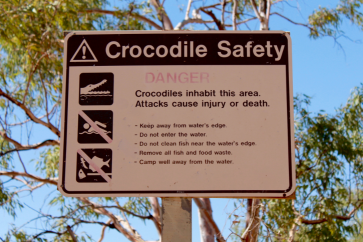
wildlife safety crocodiles snakes spiders first aid

Weather Conditions

 Australia’s weather can be extreme, with sudden changes that can catch you off guard. Whether it’s a heatwave or unexpected rain, knowing the weather patterns in the park you’re visiting is key. Bushfire safety is particularly important in hot, dry conditions. Always check for fire bans and warnings before heading into the park.

Terrain Challenges 

The landscape in many national parks is rugged and remote. Off-road camping can be an incredible experience, but it requires a vehicle that’s up to the task. Make sure your van is equipped to handle rough terrain, and know your limits—getting stuck in a remote area can be dangerous.

The Importance of Water

Water is one of the most critical aspects of van life safety, especially in Australia’s national parks where temperatures can soar, and natural water sources may be scarce.

Water Storage 

Always carry more water than you think you’ll need. A good rule of thumb is to have at least 10-15 liters per person per day. This accounts for drinking, cooking, and basic hygiene. Investing in large, durable water containers that are easy to store in your van is a must.

Water Filtration 

Even if you find a water source in the park, it may not be safe to drink without filtration. Carry a portable water filter or purification tablets to make any collected water safe for consumption. Emergency preparedness means being able to treat water from natural sources if you run out of your own supply.

Dehydration Awareness

The Australian sun can be unforgiving. Dehydration can sneak up on you quickly, especially if you’re active during the heat of the day. Symptoms include dizziness, headaches, and dry mouth. Always drink water regularly, even if you don’t feel thirsty, and avoid alcohol and caffeine, which can dehydrate you further.

Safety Precautions Before Entering the Park

Preparation is the foundation of van life safety. Before you even set foot in a national park, there are several steps you should take to ensure your trip goes smoothly.

Vehicle Maintenance 

Your van is your lifeline on the road, so keeping it in top shape is non-negotiable. Regular checks of your tires, brakes, and engine are essential. Vehicle maintenance tips for van camping include carrying spare tires, checking your oil levels, and ensuring your battery is in good condition. Don’t forget to pack essential tools for minor repairs.

Emergency Supplies

Being ready for the unexpected is crucial when you’re off the grid. Your emergency kit should include a first aid kit, extra food and water, a flashlight, and a multi-tool. Emergency preparedness for van life in Australian national parks means being ready to deal with anything from a medical emergency to a breakdown.

Permits and Regulations

Each national park in Australia has its own set of rules. Make sure you understand the specific camping safety regulations and obtain any necessary permits before you arrive. Not only will this keep you out of trouble, but it also helps protect the natural environment.

Communication Plans

One of the challenges of off-road camping is the lack of mobile signal in remote areas. Before you head into the park, let someone know your plans and expected return time. This way, if something goes wrong, help can be sent your way.

van life safety australian national parks food poisoning safety

On-the-Road Safety Tips

Once you’re in the park, staying safe is all about awareness and smart decision-making.

Driving Tips

Roads in national parks can be treacherous, especially at night or after rain. How to stay safe while van camping in Australia starts with driving cautiously. Avoid driving at dusk or dawn when wildlife is most active, and always adhere to speed limits.

Campground Selection

Not all campsites are created equal. Choose spots that are well-traveled and close to ranger stations or other facilities. Best practices for off-road camping in Australian national parks include avoiding isolated areas where you’re more vulnerable to both wildlife and potential human threats.

Food Storage

Keeping your food safe isn’t just about preventing spoilage—it’s also about avoiding unwanted wildlife encounters. Preventing food poisoning while van camping in Australia involves using coolers or refrigeration to keep perishable items fresh, and always storing food in secure containers.

Wildlife Safety

Whether it’s snakes, spiders, or larger animals like kangaroos, knowing how to act around wildlife is key to staying safe. Avoiding wildlife encounters during van life includes wearing protective clothing, keeping your campsite clean, and never leaving food out overnight.

off-road camping bushfire safety emergency preparedness

Emergency Situations and Response

Even with the best preparation, emergencies can still happen. Knowing how to respond can make all the difference.

Medical Emergencies

Whether it’s a snake bite or a twisted ankle, having the right first aid essentials for van life in Australia can be a lifesaver. Learn basic first aid skills, and keep a well-stocked kit in your van. Familiarize yourself with the location of the nearest medical facilities before heading out.

Vehicle Breakdown

If your van breaks down in a remote area, staying calm and following a plan is crucial. Signal for help using a reflective triangle or flares, and if possible, try to make minor repairs yourself. If you’re stranded, stay with your vehicle until help arrives.

Natural Disasters

Australia’s national parks are prone to bushfires and floods. Bushfire safety means knowing the fire danger rating each day and being ready to evacuate at a moment’s notice. For floods, never attempt to drive through floodwaters—turn back and find another route.

Staying Connected and Informed

Even in remote areas, staying informed can help you avoid danger and make the most of your trip.

Technology

Use technology to your advantage. Van life safety tips for Australian national parks include using apps for navigation, weather updates, and emergency alerts. Invest in a satellite phone or personal locator beacon if you plan to go off the grid for extended periods.

Offline Maps

In areas with no signal, offline maps and a good old-fashioned compass are your best friends. Always download maps before entering the park and know how to use them.

Local Resources

Ranger stations and visitor centers are invaluable resources. They can provide the latest information on park conditions, wildlife activity, and any safety alerts. Don’t hesitate to ask for advice or assistance—they’re there to help.

Stay safe, stay informed, and enjoy the journey.

Your van life adventure in Australia’s national parks can be the trip of a lifetime, but safety should always be your top priority. By following these tips, you’ll be well-prepared to handle any situation that comes your way. 

Ready to hit the road? Share this guide with fellow van lifers and help spread the word about staying safe in Australia’s wild and wonderful national parks.

Spread the Word

Related Articles

Scroll to Top