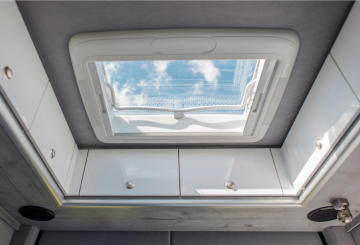
Results of our Review
Maxxair MaxxFan Deluxe
-
Multiple Speed Settings
-
Quiet Operation
-
Energy Efficient
Fantastic Fan 7350
-
Powerful Airflow
-
Auto Temp Control
-
Responsive Rain Sensor
Dometic Fan-Tastic Vent 3350
-
Affordable
-
Quiet Operation
-
Easy to Maintain
Please note, as an Amazon Associate I earn from qualifying purchases. This helps support our work.
Having spent years traveling in vans and testing various gear, I know firsthand how vital it is to choose the right roof vent for your van, especially when the summer heat becomes relentless. Over the years, I’ve personally evaluated and installed a few different roof vents and feel I have a good grasp of which ones truly stand up to the demands of van life. My goal with this guide is to share my expert insights and help you navigate the options available, ensuring you find a vent that not only keeps your van cool but also enhances air quality and overall safety.
I’ve combined my many years of experience with my interviews with hundreds of van lifers to determine which roof vents pass the test in real-world conditions, from scorching deserts to humid coastal regions. I’ve considered factors like ventilation efficiency, ease of installation, noise levels, and energy consumption to provide you with a comprehensive evaluation. This isn’t just about keeping your van comfortable; it’s about ensuring your space is safe, well-ventilated, and free from the dangers of overheating or poor air quality. By the end of this guide, you’ll have all the knowledge you need to make a confident, informed purchase that will keep your van cool and safe for years to come.
Why You Need a Roof Vent on Your Van
Staying Cool and Comfortable
Living in a van can get pretty hot, especially in summer. Without proper ventilation, your van can turn into a sauna. Roof vents allow hot air to escape and cool air to circulate, making a world of difference in maintaining a comfortable temperature. This isn’t just about comfort—it’s also about safety. Prolonged exposure to high temperatures can lead to heat-related illnesses, which you want to avoid.
Air Quality and Moisture Control
Roof vents aren’t just for cooling. They also help keep the air inside your van fresh. By constantly exchanging stale air for fresh air, roof vents reduce the buildup of moisture, which can lead to mold and mildew. This is particularly important if you’re cooking or showering inside your van. Moisture control is a key factor in maintaining a healthy living environment on the road.
Tip: Check out our guide on preventing, identifying and treating black mold in your van.
Safety Benefits
Proper ventilation is a key component of van safety. By allowing hot air to escape, roof vents help prevent overheating, which can cause fires or damage to your van’s electrical systems. Additionally, venting out harmful fumes from cooking or using gas appliances ensures you’re not breathing in anything toxic. In short, roof vents are a simple yet effective way to enhance your van’s safety.
Top Roof Vents for Van Life in Summer
When it comes to choosing a roof vent, you want something that’s reliable, efficient, and suited to your specific needs. Here are the top picks that have proven to be the best for keeping your van cool and safe during summer.
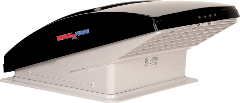
Maxxair MaxxFan Deluxe
Features
I consider the Maxxair MaxxFan Deluxe the gold standard for van roof vents. It comes with a built-in rain shield, so you don’t have to worry about unexpected showers. The fan is reversible, meaning it can either push air out or pull air in, depending on your needs. It also comes with a remote control, making it easy to adjust settings without getting out of bed.
What We Like
- Versatile with multiple speed settings
- Quiet operation, even at higher speeds
- Energy-efficient, making it great for off-grid living
What We Don't Like
- Higher price point compared to other models
- Installation can be a bit complex, especially for first-timers
Best For:
If you’re looking for a top-of-the-line solution that covers all bases—cooling, ventilation, and ease of use—the MaxxFan Deluxe is your best bet. It’s particularly suited for those who spend a lot of time in their vans and need a reliable, all-weather vent.

Fantastic Fan 7350
Features
The Fantastic Fan 7350 is another great option, known for its strong airflow and built-in thermostat. The thermostat allows the fan to automatically adjust its speed based on the temperature inside the van, ensuring consistent comfort. It also has a rain sensor that automatically closes the dome when it detects moisture.
What We Like
- Powerful airflow with adjustable speeds
- Automatic temperature control with the thermostat
- Responsive rain sensor for added convenience
What We Don't Like
- Can be noisy at higher speeds
- Rain sensor can sometimes be overly sensitive, closing the dome unnecessarily
Best For:
This fan is ideal for those who value automatic climate control and want a fan that does the thinking for them. It’s a solid choice for van lifers who experience varying temperatures and want a low-maintenance solution.

Dometic Fan-Tastic Vent 3350
Features
The Dometic Fan-Tastic Vent 3350 is known for its quiet operation and efficient performance. It offers variable speed settings, allowing you to fine-tune the airflow to your liking. Unlike some of the more advanced models, it features a manual lift dome, which gives you more control over ventilation.
What We Like
- Affordable compared to high-end models
- Quiet operation, even at higher speeds
- Reliable and easy to maintain
What We Don't Like
- Lacks advanced features like a rain shield or remote control
- Manual operation may not be ideal for everyone
Best For:
If you’re on a budget but still want a reliable and efficient roof vent, the Dometic Fan-Tastic Vent 3350 is a great option. It’s perfect for those who prefer a simpler, more hands-on approach to ventilation.
Other Notable Mentions
Hike Crew 14” RV Roof Vent Fan
A budget-friendly option that offers decent airflow and basic features. It’s a good choice for those just starting with van life or who need a secondary vent for additional ventilation.
MaxxAir 00-04000K 12V Roof Fan Vent
A slightly more affordable alternative to the MaxxFan Deluxe, offering many of the same features but at a lower price point.
Key Features to Consider When Choosing a Roof Vent
When selecting a roof vent, there are several key features to keep in mind. These will help ensure that the vent you choose meets your needs and performs well under various conditions.
Ventilation Power
One of the most important factors to consider is the ventilation power of the fan, typically measured in cubic feet per minute (CFM). A higher CFM rating means more air is moved, which translates to better cooling and ventilation. If you’re in a hot climate or have a larger van, you’ll want a vent with a high CFM rating.
Noise Level
Noise can be a deal-breaker, especially if you’re a light sleeper or spend a lot of time inside your van. Some fans are quieter than others, so it’s worth looking for models that offer low-noise operation, especially at higher speeds. The MaxxFan Deluxe and Dometic Fan-Tastic Vent 3350 are both known for their quiet performance.
Energy Efficiency
Since you’ll likely be running your vent off your van’s battery, energy efficiency is crucial. Look for models that offer strong performance without draining your battery. The MaxxFan Deluxe is a standout in this category, offering excellent cooling power with minimal energy consumption.
Weather Resistance
Your roof vent needs to withstand the elements, so weather resistance is key. Look for features like waterproof seals, UV-resistant materials, and built-in rain shields. The MaxxFan Deluxe, with its integrated rain shield, is an excellent example of a vent designed to handle all weather conditions.
Ease of Installation
Finally, consider how easy the vent is to install. Some models are more DIY-friendly than others, with clear instructions and all the necessary components included. If you’re new to van life or not particularly handy, opting for a model that’s easy to install can save you a lot of hassle.
Installation Tips
Installing a roof vent might seem intimidating, but with the right preparation and guidance, it’s a manageable DIY project. Here’s a step-by-step guide to help you get it right the first time.
Preparation
Tools and Materials
Before you start, make sure you have all the necessary tools and materials. You’ll need a jigsaw or a hole saw for cutting the roof, a drill, screws, sealant, and of course, the vent itself. Double-check that you have everything on hand to avoid any mid-project runs to the hardware store.
Choosing the Right Location
Deciding where to place your roof vent is crucial. Ideally, you want it in a spot that maximizes airflow without interfering with other components like solar panels or roof racks. Consider the layout of your van’s interior as well—placing the vent above the kitchen area or sleeping quarters can optimize ventilation where it’s needed most.
Step-by-Step Installation Guide
- Mark the Cutout Area: Start by marking the area on the roof where the vent will be installed. Use the vent’s frame as a template to trace the cutout.
- Drill Pilot Holes: Drill a hole at each corner of the marked area. This will make it easier to cut out the section.
- Cut the Opening: Using a jigsaw or hole saw, carefully cut out the section of the roof. Make sure to wear safety goggles and gloves during this step.
- Install the Vent Frame: Apply a generous amount of sealant around the edges of the cutout. Then, place the vent frame into the opening and secure it with screws.
- Seal the Edges: Once the frame is in place, apply more sealant around the edges to ensure a watertight seal. This step is crucial to prevent leaks.
- Attach the Fan Unit: Finally, attach the fan unit to the frame according to the manufacturer’s instructions. Make sure all electrical connections are secure and properly insulated.
Common Mistakes to Avoid
Inaccurate Measurements
One of the most common mistakes is misjudging the size of the cutout. Double-check your measurements before cutting to avoid any costly errors.
Poor Sealing
A poorly sealed vent can lead to leaks, which can damage your van’s interior. Take your time when applying sealant, and don’t skimp on the amount used.
Ignoring Manufacturer Instructions
It might be tempting to skip steps or improvise, but following the manufacturer’s instructions to the letter is essential for a successful installation. This ensures that your vent will function properly and last for years to come.
Maintaining Your Roof Vent
Once your vent is installed, regular maintenance is key to keeping it in good working condition. Here’s how to keep your roof vent performing at its best.
Cleaning
Dust, dirt, and debris can accumulate on the fan blades and inside the vent, reducing its efficiency. Regularly clean the fan and vent cover with a soft cloth and mild soap. Be sure to disconnect the power before cleaning to avoid any accidents.
Inspecting Seals
Check the seals around your vent periodically for any signs of wear or damage. Over time, the sealant can crack or degrade, leading to leaks. If you notice any issues, reapply sealant as needed to maintain a watertight seal.
Lubricating Moving Parts
To keep the fan operating smoothly, lubricate any moving parts with a silicone-based lubricant. This will reduce friction and prevent wear and tear, extending the life of your vent.
Ready to beat the heat?
Choosing the right roof vent is one of the best investments you can make for your van life, especially during the hot summer months. Whether you go with the top-of-the-line Maxxair MaxxFan Deluxe, the automatic climate control of the Fantastic Fan 7350, or the budget-friendly Dometic Fan-Tastic Vent 3350, you’ll be taking a big step towards a cooler, safer, and more comfortable living space on the road. Remember to consider factors like ventilation power, noise level, energy efficiency, and ease of installation when making your decision.
If you’re ready to upgrade your van’s cooling system, take action today by choosing the roof vent that best suits your needs. Your future self will thank you when the summer heat is no longer a problem.