
Safe In My Van

How to Prevent, Identify, and Treat Black Mold in Your Van

Living the van life is about freedom, adventure, and embracing the open road. But, there’s a hidden danger that can threaten your health and the safety of your van: black mold. If you’re living in a small, confined space like a van, preventing and dealing with black mold is crucial. This guide will walk you through everything you need to know to prevent, identify, and treat black mold in your van, keeping your mobile home safe and healthy.

Black mold prevention in van

Black mold is a serious issue in van life that can affect your health and damage your vehicle. Preventing it starts with good ventilation, moisture control, and regular inspections. Identifying black mold involves looking for visual signs, musty smells, and hidden spots. Treating it requires safety precautions, thorough cleaning, and ensuring the problem doesn’t return. This guide covers all these steps in detail to help you keep your van mold-free.

What is Black Mold?

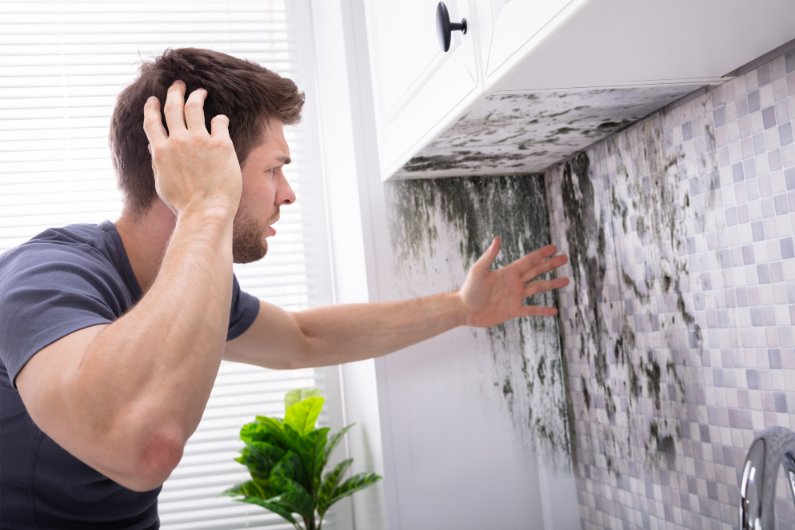
Black mold, or Stachybotrys chartarum, is a type of fungus that thrives in damp, humid environments. It’s notorious for its dark greenish-black color and can grow on materials like wood, drywall, and fabric—basically, anything organic that stays damp for too long. In a van, with its tight quarters and potential for moisture buildup, black mold can become a serious problem if not properly managed.

Causes of Black Mold in Vans 

In a van, black mold typically forms due to moisture issues. Leaks, condensation, and poor ventilation are common culprits. Moisture can accumulate from cooking, breathing, or even wet clothing and shoes. Without proper ventilation, this moisture doesn’t evaporate, leading to damp conditions where mold can thrive.

Health Risks of Black Mold 

Black mold isn’t just unsightly—it’s also dangerous. Exposure to black mold can cause a range of health issues, especially if you spend a lot of time in your van. Symptoms include respiratory problems, skin irritation, headaches, and fatigue. For those with allergies or asthma, black mold can be particularly harmful, potentially leading to severe allergic reactions or asthma attacks.

van life mold safety, prevent mold in van health issues from mold asthma respiratory infections

How to Prevent Black Mold in Your Van

The best way to deal with black mold is to prevent it from forming in the first place. Here’s how you can keep your van mold-free.

Ensure Proper Ventilation

Good ventilation is your first line of defense against mold. Ventilation helps reduce moisture by circulating fresh air throughout your van, preventing the buildup of condensation. Consider installing a roof vent or fan, and make a habit of cracking a window whenever you’re cooking, showering, or even just sleeping.

Tip: If you’re in a particularly humid area, running a dehumidifier can help keep moisture levels down. Portable dehumidifiers are great for van life and can make a big difference in preventing mold.

Control Moisture Levels

Moisture control is critical. You can’t completely avoid moisture in a van, but you can manage it. After cooking or showering, wipe down any wet surfaces immediately. If it’s raining, make sure wet clothing or gear is dried outside before bringing it back into the van.

Use moisture absorbers like silica gel packs or charcoal bags in areas prone to dampness. These can help absorb excess moisture and are easy to replace when they get full.

Regular Inspections

Routine inspections are key to catching potential mold issues before they become a problem. Check your van regularly for leaks, especially around windows, doors, and roof seams. Pay attention to any condensation that doesn’t seem to go away—this can be a sign of poor ventilation or hidden moisture.

Inspect hidden areas like under the bed, behind cabinets, and in storage compartments. These are prime spots for mold to develop unnoticed.

Choose Mold-Resistant Materials

When building or renovating your van, consider using mold-resistant materials. Mold-resistant paints, sealants, and wood treatments can go a long way in preventing mold growth. For surfaces that are prone to getting wet, like the bathroom or kitchen, choose materials that don’t absorb moisture easily.

Tip: Non-porous materials like stainless steel, plastic, and certain types of treated wood are less likely to harbor mold.

How to Identify Black Mold in Your Van

Finding and identifying hidden black mold in your van

Even with the best prevention measures, it’s possible for mold to sneak into your van. Identifying black mold early is crucial for stopping it from spreading and becoming a more serious issue.

Visual Signs of Black Mold

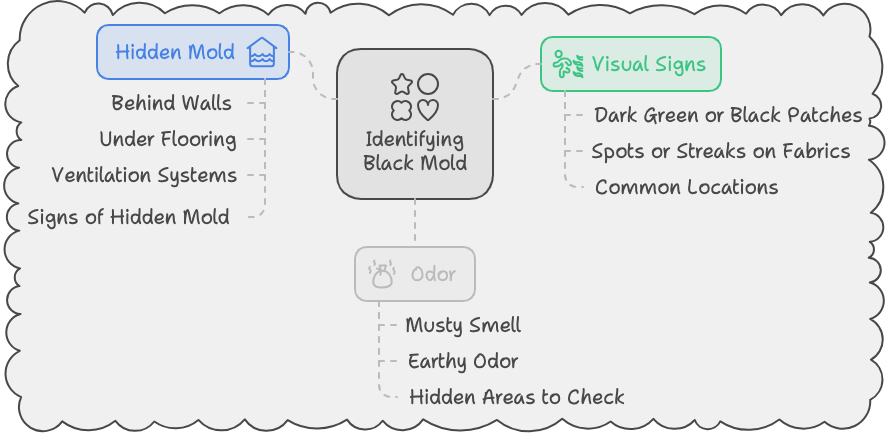
Black mold is usually easy to spot once it’s visible. Look for dark green or black patches on surfaces like walls, ceilings, and floors. It can also appear as spots or streaks on fabrics and carpets. In a van, common places to find mold include around windows, in the corners of the van, under floor mats, and in areas that are frequently damp, like the kitchen or bathroom.

Musty Odor

A musty smell is often a dead giveaway that mold is present, even if you can’t see it. Trust your nose—if your van starts to smell musty or earthy, it’s worth doing a thorough inspection to locate the source of the odor.

Tip: If you smell mold but can’t see it, check hidden areas like behind furniture, under the bed, and in storage compartments. Mold can grow in these places without being immediately visible.

Hidden Mold

Black mold doesn’t always grow in obvious places. Hidden mold can lurk behind walls, under flooring, or in ventilation systems. To check for hidden mold, look for signs like peeling paint, warped wood, or persistent damp spots. If you suspect mold but can’t find it, you might need to remove panels or open up compartments to get a closer look.

How to Treat Black Mold in Your Van

If you’ve found black mold in your van, don’t panic—it can be treated. The key is to act quickly and thoroughly to remove the mold and address the underlying cause.

Safety Precautions

Before you start cleaning, it’s important to protect yourself. Wear gloves, a mask, and goggles to avoid direct contact with mold spores, which can be harmful if inhaled or touched. Make sure the area is well-ventilated by opening windows or running a fan.

Tip: If you have a large mold problem, or if the mold is in a difficult-to-reach area, consider hiring a professional to handle the cleanup. They’ll have the tools and expertise to safely remove the mold without spreading spores.

Cleaning Visible Mold

For small areas of mold, you can usually handle the cleaning yourself. Here’s a step-by-step guide:identifying black mold and treating black mold in van
    1. Mix a cleaning solution: Use a mixture of white vinegar and water (1:1 ratio) or a commercial mold cleaner. Vinegar is great because it kills about 82% of mold species and is safe to use on most surfaces.
    2. Apply the solution: Spray the solution directly onto the moldy area and let it sit for at least 10 minutes to penetrate the mold.
    3. Scrub the area: Use a scrub brush or sponge to scrub away the mold. Be thorough, but avoid scrubbing too hard, as this can damage surfaces and spread mold spores.
    4. Rinse and dry: After scrubbing, wipe the area with a clean, damp cloth, and then dry it completely. Moisture is your enemy here, so make sure the area is fully dry to prevent the mold from returning.

Deep Cleaning and Professional Help

If the mold covers a large area or has penetrated deeply into materials like wood or fabric, you might need to take more drastic measures. Deep cleaning can involve removing and replacing moldy materials, especially if they’re porous and can’t be fully cleaned.

Tip: In cases of severe mold infestation, professional mold remediation services can help ensure that all mold is removed and that your van is safe to live in. This is particularly important if you’ve had ongoing issues with mold or if you’ve noticed health problems related to mold exposure.

Preventing Mold Recurrence

Once you’ve treated the mold, you’ll want to prevent it from coming back. This involves addressing the root cause of the mold, which is usually excess moisture. Make sure your van is well-ventilated, repair any leaks immediately, and keep an eye on areas that are prone to moisture buildup.

Tip: Regularly clean and inspect your van to catch any new mold growth early. Even after you’ve treated a mold problem, ongoing vigilance is key to keeping your van mold-free.

Last Word

Black mold in your van isn’t just an inconvenience—it’s a health hazard that can also damage your van. By preventing moisture buildup, regularly inspecting your van, and knowing how to identify and treat mold, you can keep your van safe and comfortable. Take action now to ensure your van remains a healthy living space. If you’re dealing with mold issues, don’t hesitate to follow the steps outlined in this guide and consider professional help if necessary.

Related Articles

Scroll to Top