Understanding the Challenges of Van Cooling
Heat Sources in a Van
When the sun beats down on your van, it turns into a mobile oven. The biggest heat sources are the sun’s rays, which penetrate through windows and heat up your van’s metal surfaces. After a long drive, your engine’s residual heat adds to the problem, lingering in the cabin long after you’ve parked. And don’t forget the heat your body generates, especially in confined spaces.
Van Insulation Limitations
Insulation is your first line of defense against the heat, but it has its limits. It works by slowing down the transfer of heat, keeping your van cooler for longer. But in extreme conditions, even the best insulation can only do so much. That’s why it’s essential to combine insulation with other cooling strategies.
Climate-Specific Challenges
Not all hot climates are the same. In deserts, you’re dealing with dry, intense heat that can spike dramatically during the day and drop sharply at night. In tropical climates, the heat is accompanied by high humidity, making it feel even hotter. Understanding these climate-specific challenges is key to choosing the right cooling strategies for your van.
Tip: If you are spending time in a humid environment, check out our guide to preventing, identifying and treating black mold in you van.
Strategies for Keeping Your Van Cool
Optimizing Ventilation
Installing Roof Vents
A good roof vent is a must-have for van lifers. Roof vents, like the MaxxAir or Fantastic Fan, are designed to pull hot air out of your van while bringing in cooler air. By placing the vent at the highest point in your van, you can create a natural airflow that pushes hot air out. This is especially effective when parked in areas with a breeze.
Using Window Fans
Window fans are another great option for creating cross-ventilation in your van. These fans pull cooler air in from one side and push the hot air out the other, keeping the air inside your van fresh and cool. When used in conjunction with a roof vent, window fans can significantly improve airflow and reduce the temperature inside your van.
Natural Ventilation
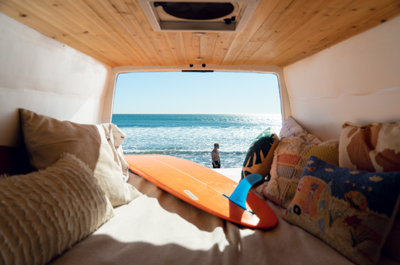
Where you park your van can have a big impact on how hot it gets inside. Always try to park in a way that takes advantage of natural breezes. For instance, parking near water can help cool the air that flows into your van. Another tip is to park your van so that the wind blows directly through it, maximizing natural ventilation.
Reflective Solutions
Window Reflectors
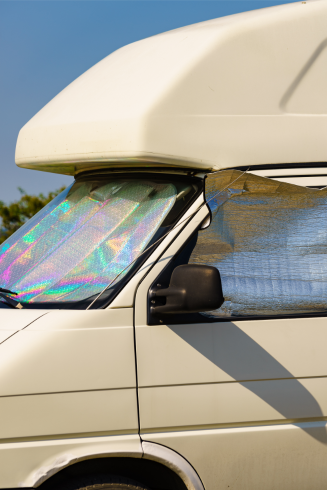
Reflective window shades are a simple yet effective way to keep your van cool. These shades block the sun’s rays before they can heat up the inside of your van. By reflecting the sunlight away from your van, they prevent the greenhouse effect that can turn your living space into a sauna.
Reflective Roof Coating
Applying a reflective coating to your van’s roof is another way to reduce heat absorption. This special paint reflects the sun’s rays, keeping the surface of your van cooler and reducing the amount of heat that gets inside. It’s a more permanent solution compared to window reflectors and can make a significant difference in extreme climates.
Insulation and Shade
Insulated Window Covers
Insulated window covers are essential for maintaining a stable temperature inside your van. These covers not only block out light but also add an extra layer of insulation to your windows, which are a major source of heat. By keeping the heat out, they help maintain a cooler interior temperature.
Park in the Shade
Whenever possible, park your van in the shade. This simple strategy can drastically reduce the temperature inside your van. Trees, buildings, or even large vehicles can provide shade that keeps your van cooler throughout the day. If you’re planning to stay in one spot for a while, consider setting up an awning or tarp to create your own shade.
Cooling Devices
Portable Fans
Portable fans are a must-have for van lifers, especially if you’re spending time off-grid. Battery-operated or solar-powered fans provide a steady breeze, helping to circulate air and keep you cool. They’re particularly useful at night when temperatures drop but the inside of your van is still warm.
Evaporative Coolers
Evaporative coolers, or swamp coolers, work by using water to cool the air. They’re most effective in dry climates, where the low humidity allows for efficient evaporation. These coolers can significantly lower the temperature inside your van without the need for a lot of power, making them a great option for off-grid living.
Air Conditioners
If you’re in a particularly hot climate, a portable air conditioner can be a game-changer. These units can cool down your van quickly and effectively, but they do require a significant amount of power. Make sure your van’s electrical system can handle the load, or consider using a generator or hooking up to shore power if available.
Power Management
Solar Panels
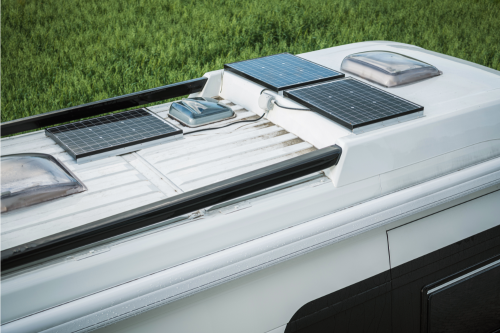
Solar panels are an excellent way to power your cooling devices without draining your van’s battery. By harnessing the sun’s energy, you can run fans, coolers, and even air conditioners without worrying about running out of power. Solar panels are a sustainable and eco-friendly option for van lifers who spend a lot of time off-grid.
Battery Options
To keep your cooling devices running smoothly, it’s important to have a reliable battery setup. Lithium-ion batteries are a popular choice because they offer a high energy density and long lifespan. Make sure your battery system is capable of powering your cooling devices for extended periods, especially if you’re in a remote location.
Lifestyle Adjustments
Time of Day
The time of day can have a big impact on how hot your van gets. The sun is strongest between 11 am and 4 pm, so it’s best to avoid staying inside your van during these hours if possible. Plan your activities around the cooler parts of the day, like early mornings or late evenings, to minimize your exposure to the heat.
Clothing and Bedding
What you wear and what you sleep on can also affect how comfortable you are in your van. Opt for lightweight, breathable clothing made from natural fibers like cotton or linen. For bedding, choose moisture-wicking materials that keep you cool and dry, even on the hottest nights. Consider using a cooling pillow or mattress topper for added comfort.
Wrapping it Up
Keeping your van cool in hot climates is a challenge, but with the right strategies, it’s entirely manageable. By focusing on ventilation, insulation, reflective solutions, and smart power management, you can maintain a comfortable and safe environment inside your van, no matter where your travels take you. Remember, the key is to be proactive and prepared. Take the time to set up your van for success, and you’ll be able to enjoy the van life even in the hottest weather.
Got your own tips or cooling hacks? Share them in the comments below and help fellow van lifers stay cool on the road!