

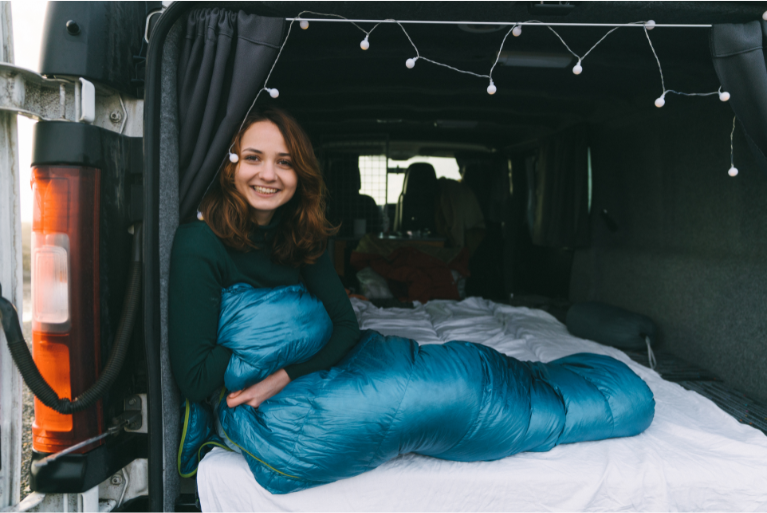
Introduction
Staying safe while sleeping in your van is one of the most important aspects of van life. Your van isn’t just your vehicle—it’s your home. Ensuring it’s secure, especially when you’re most vulnerable, can make the difference between a peaceful night’s sleep and a stressful experience. Van life safety goes beyond locking your doors; it’s about smart planning, effective tools, and diligent practices. In this comprehensive guide, we’ll explore all aspects of van camping safety to help you sleep soundly, knowing you’ve taken the necessary precautions.
Pre-Planning for Safety
Choosing the Right Location
-
- Legal Considerations: Different places have different regulations about overnight van parking. In some cities, parking overnight in certain areas might result in fines, while others might have designated safe spots for van lifers. Before settling down for the night, check local laws and consider using apps like Park4Night, iOverlander, or AllStays to find legal, recommended spots. These platforms often include user reviews, which can give you a heads-up on local ordinances or potential safety issues.
-
- Neighborhood Safety: Safety starts with knowing where you’re parking. Some areas might look safe during the day but can become dangerous after dark. Use safety tools like CrimeMapping to get a real-time look at crime stats or AreaVibes to check neighborhood ratings. You can also tap into the van life community via Facebook groups or Reddit for local insights. Fellow van lifers often share their experiences, which can be invaluable for finding safe, welcoming places.
-
- Avoiding Isolated Areas: The appeal of a secluded spot can be strong—privacy, quiet, and a connection to nature are all enticing. However, isolation can also mean vulnerability. Assess the risks of parking far from help, especially if you’re alone. Sometimes, a compromise works best: find a spot that offers some seclusion without completely cutting you off from other people. Rest stops, truck stops, or even large retail store parking lots can be good middle-ground options. They offer a level of safety due to regular traffic while still allowing for some privacy.
Preparing Your Van
-
- Window Covers: One of the first lines of defense in securing your space is ensuring privacy. Blackout curtains or custom-fit window covers prevent prying eyes from seeing inside your van, which can deter opportunistic thieves. They also contribute to better sleep by blocking out light. Consider investing in covers with insulating properties—they can keep your van cooler in the summer and warmer in the winter.
-
- Alarm Systems: A comprehensive van alarm system should be high on your list of must-haves. Modern systems often include motion detectors, GPS tracking, and mobile alerts, so you’re always in the loop, even when you’re away from your van. Some systems also allow for remote start or immobilization, adding another layer of security. Research brands like Viper, Clifford, or Compustar to find the system that best suits your needs. Additionally, consider adding a dash cam with parking mode to record any suspicious activity around your vehicle.
-
- Safe Parking Practices: The way you park your van can significantly impact your security. Always park facing an exit so you can leave quickly if needed. Try to park under streetlights or near building entrances where there’s regular foot traffic—this visibility can deter potential threats. Avoid parking in low-visibility areas or near dense shrubbery, which can provide cover for someone trying to break in. These van camping best practices can go a long way in keeping you safe.

While You Sleep: Safety Practices
Securing the Van
-
- Locking Doors and Windows: Before you settle in for the night, double-check that all entry points are secured. It’s easy to forget a window cracked open for ventilation or a door not fully latched. Some van lifers go a step further by adding secondary locks or security bars to their doors for added protection. In areas where you feel particularly vulnerable, consider sleeping with your keys in hand—ready to activate your alarm or start your van at a moment’s notice.
-
- Alarm System Activation: Make it a habit to set your alarm before going to sleep. Some systems allow you to set different sensitivity levels or even just monitor certain zones of your van. For example, you might want your doors and windows armed while allowing interior movement (such as you rolling over in your sleep) to go unnoticed. If your alarm system includes a camera, review the footage regularly to ensure it’s capturing the necessary angles.
Personal Safety Measures
-
- Keeping Essentials Handy: Your essentials—phone, flashlight, keys—should always be within arm’s reach when you sleep. This ensures you can react quickly in case of an emergency. If you’re concerned about losing these items in the night, consider setting up a small organizer near your bed or using a lanyard to keep your keys and a small flashlight around your neck.
-
- Noise Reduction: It’s important to find a balance between reducing noise for better sleep and staying alert to your surroundings. White noise machines or earplugs that reduce but don’t completely block out sound can be helpful. Test different noise levels to find what works best for you—some van lifers find comfort in the hum of a fan, while others prefer the quiet of earplugs.
-
- Self-Defense Preparedness: Being prepared to defend yourself doesn’t mean you’re looking for trouble—it’s about being ready just in case. Consider carrying non-lethal self-defense tools like pepper spray, a personal alarm, or even a stun gun if local laws permit. Keep these items in a place where you can easily reach them from your bed. Additionally, take a self-defense course that focuses on practical, easy-to-remember techniques that you can use in confined spaces like your van.
Emergency Preparedness
Have an Escape Plan
-
- Quick Exit Routes: Your van layout should facilitate a quick and easy exit. This means keeping walkways clear and knowing the quickest route to your driver’s seat. Consider practicing this exit plan a few times to make sure you can do it quickly and without thinking—muscle memory can be a lifesaver in stressful situations.
-
- Emergency Signal: Carry a whistle or a portable alarm that can draw attention if you’re in danger. These tools are simple yet effective ways to alert others to your need for help. In more remote locations, consider a signal flare or a bright flashlight that can be seen from a distance.
Communication Tools
-
- Phone Apps: Use emergency apps like bSafe, Noonlight, or Life360, which allow you to share your location and send distress signals at the press of a button. These apps often come with additional features like voice activation, which can be useful if you can’t reach your phone.
-
- Backup Communication Devices: In areas with no cell service, a two-way radio, satellite phone, or personal locator beacon (PLB) can be crucial. These devices provide a reliable way to call for help, even when off the grid. Make sure you know how to use them and keep them charged and within reach.
Mental and Emotional Safety
Managing Fear and Anxiety
-
- Mindfulness Techniques: Practicing mindfulness can help you manage the fear and anxiety that sometimes come with sleeping alone in unfamiliar places. Techniques like deep breathing, progressive muscle relaxation, or guided imagery can help calm your nerves and prepare your body for rest. Consider using a meditation app like Calm or Headspace before bed.
-
- Building Confidence: Confidence in your safety measures can reduce anxiety significantly. Practice safety drills, get to know your van’s layout, and familiarize yourself with your surroundings. The more confident you feel in your environment and your ability to handle emergencies, the more relaxed you’ll be.
Community Support
-
- Online Communities: Engaging with online van life communities can provide a sense of belonging and support. Websites like Vanlife Diaries or groups on social media platforms can offer advice, share experiences, and even help you connect with others in your area. This sense of community can be a comforting factor when you’re on the road.
-
- Local Networks: In addition to online communities, try to build local connections wherever you park. This could be as simple as chatting with a fellow van lifer or introducing yourself to locals. These relationships can provide not only a sense of security but also insider knowledge about the best (and safest) places to park.
Summing Up
Staying safe while sleeping in your van is about preparation, awareness, and the right mindset. By choosing the right location, securing your van, and having a clear plan in place, you can minimize risks and enjoy the freedom of van life without unnecessary worry. Remember, safety is not just about avoiding danger—it’s about creating a secure environment where you can relax and thrive on your journey. Take action today by reviewing and upgrading your safety measures as needed and visit us often to stay informed about new tools and strategies that can enhance your security on the road.


